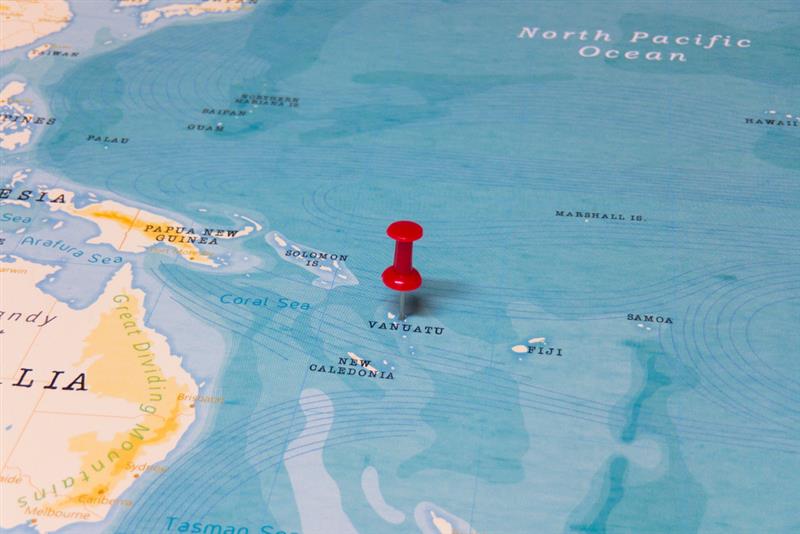

Choosing between Nauru and Vanuatu citizenship by investment programs requires careful consideration of multiple factors, from cost and processing time to visa-free travel access and long-term benefits. Both Pacific island nations offer citizenship to foreign investors, but they differ significantly in their requirements, advantages, and overall value proposition. This comprehensive comparison examines the key differences to help you determine which program aligns better with your personal and financial goals.
Investment Requirements and Program Costs
The financial commitment required for each citizenship program represents one of the most significant differences between Nauru and Vanuatu. Nauru's citizenship by investment program typically requires a minimum contribution starting around $100,000 for a single applicant, with additional fees for family members. The total cost can vary depending on the number of dependents included in the application and any additional processing or legal fees.
Vanuatu's Development Support Program (DSP), by contrast, requires a higher minimum investment of approximately $130,000 for a single applicant. However, Vanuatu offers more structured family packages, with costs increasing to around $150,000 for a couple and $180,000 for a family of four. These figures include government fees but may not account for due diligence costs, legal fees, and other ancillary expenses.
Additional Financial Considerations
Beyond the base investment amount, prospective applicants should factor in several additional costs:
- Due diligence fees — background checks and verification processes that typically range from $5,000 to $10,000 per applicant
- Legal and advisory fees — professional services to guide you through the application process, usually between $15,000 and $30,000
- Document preparation costs — notarization, translation, and apostille services for required documentation
- Travel expenses — potential costs for interviews or document submission, though many programs allow remote processing
Processing Timeline and Application Efficiency
Time is often a critical factor for investors seeking second citizenship. Vanuatu has established a reputation for having one of the fastest citizenship by investment programs globally, with processing times typically ranging from one to three months from application submission to passport issuance. This efficiency makes Vanuatu particularly attractive for applicants who need urgent mobility solutions or have time-sensitive business requirements.
Nauru's processing timeline is generally less predictable and can extend from three to six months or longer, depending on the complexity of the application and the thoroughness of due diligence checks. While this longer timeframe may not suit everyone, it can allow for more comprehensive vetting and potentially smoother long-term outcomes.
The speed of citizenship acquisition should be balanced against the quality of due diligence and the long-term reputation of the program — a rushed process may create future complications for passport holders.
Visa-Free Travel Access and Passport Strength
The practical utility of a second passport largely depends on the visa-free travel access it provides. Vanuatu's passport offers access to approximately 130 countries and territories without requiring a visa in advance, including key destinations within the Schengen Area, the United Kingdom, Russia, and Singapore. This makes the Vanuatu passport significantly more powerful for international business travelers and those seeking greater global mobility.
Nauru's passport, while providing citizenship benefits, offers more limited visa-free access, with approximately 80-90 countries accepting Nauruan passport holders without prior visa arrangements. The destinations accessible with a Nauru passport are primarily concentrated in the Pacific region, with fewer options for visa-free entry to major economic centers in Europe, Asia, and the Americas.
Strategic Travel Considerations
When evaluating passport strength, consider your specific travel needs:
- Identify the countries you visit most frequently for business or personal reasons
- Assess whether visa-free access to those destinations is available with each passport option
- Consider potential changes in visa policies and diplomatic relationships that might affect future access
- Evaluate the reputation and recognition of each passport at international border controls
Residency Obligations and Physical Presence Requirements
One of the most attractive features of both Nauru and Vanuatu citizenship programs is the absence of mandatory residency requirements before or after citizenship is granted. Neither program requires applicants to relocate, maintain a physical presence in the country, or spend a minimum number of days per year within their borders. This flexibility makes both options particularly appealing for investors who wish to maintain their current lifestyle and business operations while gaining the benefits of a second citizenship.
However, the lack of residency requirements also means that citizenship holders may have limited practical connection to their new country of citizenship. This can affect factors such as banking relationships, business establishment, and the ability to claim genuine ties to the nation if questioned by other countries' immigration authorities.
Long-Term Value and Program Sustainability
The sustainability and international reputation of a citizenship by investment program significantly impact its long-term value. Vanuatu's program has gained wider international recognition and has been operating with greater transparency and regulatory oversight. The country has worked to maintain compliance with international standards, though it has faced scrutiny from organizations like the European Union regarding visa-free access privileges.
Nauru's program is less established in the global citizenship by investment market, which presents both risks and potential opportunities. The smaller scale of the program may offer more personalized service and flexibility, but it also means less international precedent and potentially greater uncertainty about how the passport will be received by foreign governments and financial institutions over time.
Due Diligence and Reputation Management
Both countries have implemented due diligence procedures to screen applicants and protect the integrity of their citizenship programs. Vanuatu has faced pressure to strengthen its vetting processes following international concerns about security risks. Nauru's smaller program scale allows for potentially more thorough individual review, though the country's limited administrative resources may also present challenges.
Prospective applicants should carefully research the current standing of each program, including any recent policy changes, international agreements, or diplomatic developments that might affect passport utility. Working with experienced legal advisors who specialize in citizenship by investment can provide valuable insights into the nuances of each program and help you make an informed decision based on your specific circumstances.
If you're considering citizenship by investment in Nauru or Vanuatu and would like personalized guidance on which program best suits your needs, our team of experts can provide detailed consultations and assist with the application process. Contact us today to discuss your options and take the first step toward securing your second citizenship.