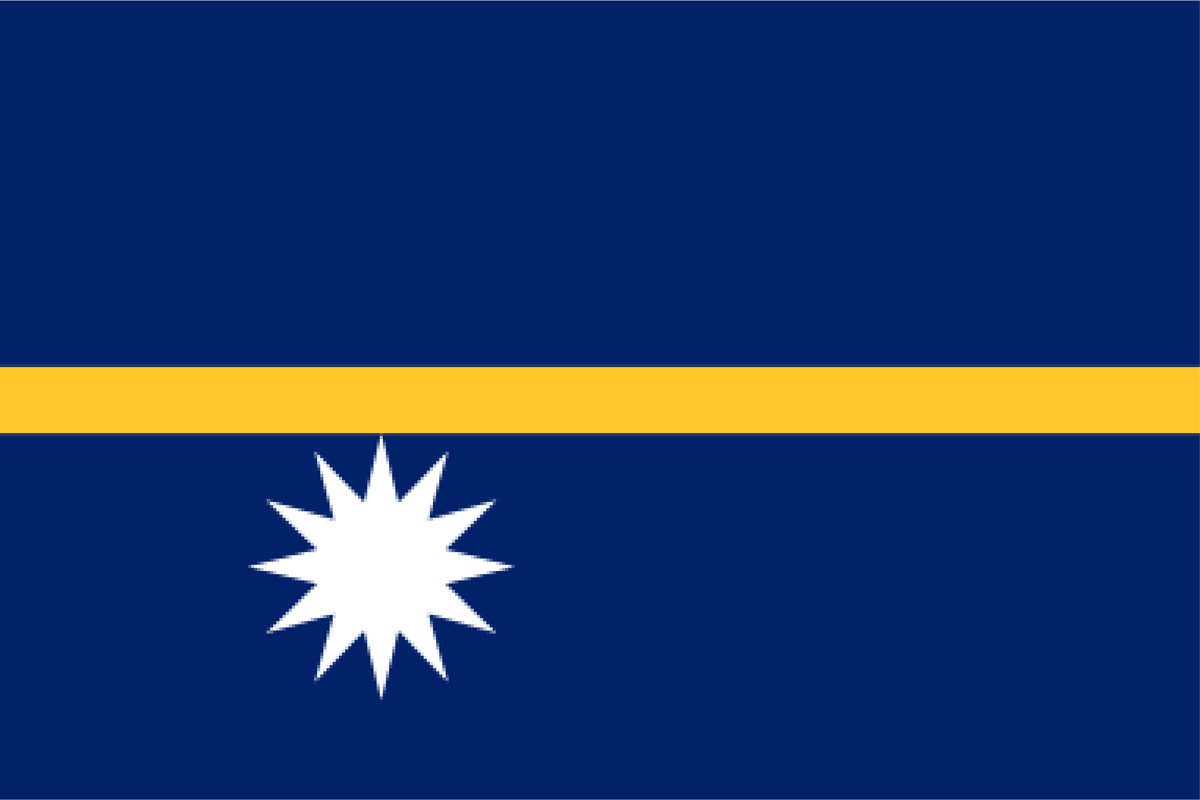

The Nauru passport offers its holders access to a select number of destinations worldwide without the need for advance visa arrangements. As of 2026, Nauruan citizens can travel to approximately 65 countries and territories either visa-free or with visa-on-arrival privileges, making it essential for prospective applicants to understand both the travel benefits and associated costs. This comprehensive guide examines the current visa-free access available to Nauru passport holders and what this means for international mobility.
Global Access Overview for Nauru Passport Holders
The Nauru passport ranks in the lower tier of global passport indexes, reflecting the nation's small size and limited diplomatic reach. Despite these constraints, Nauruan citizens still enjoy reasonable access to key regions, particularly within the Pacific, parts of Asia, and select territories in other continents. The visa-free score has remained relatively stable over recent years, with minor fluctuations based on bilateral agreements and changing immigration policies worldwide.
Understanding which countries grant visa-free access is crucial when considering the investment in obtaining a Nauru passport. The travel freedom offered by this document directly impacts its practical value for business travelers, tourists, and individuals seeking greater international mobility. While the access may not compare to top-tier passports from Europe or North America, it provides meaningful benefits for those with connections to the Pacific region or specific business interests in accessible territories.
Countries Offering Visa-Free Entry to Nauru Citizens
Nauru passport holders can enter the following categories of destinations without obtaining a visa in advance. These arrangements vary from complete visa-free access to visa-on-arrival facilities, each with different maximum stay durations and entry requirements.
Pacific Region Access
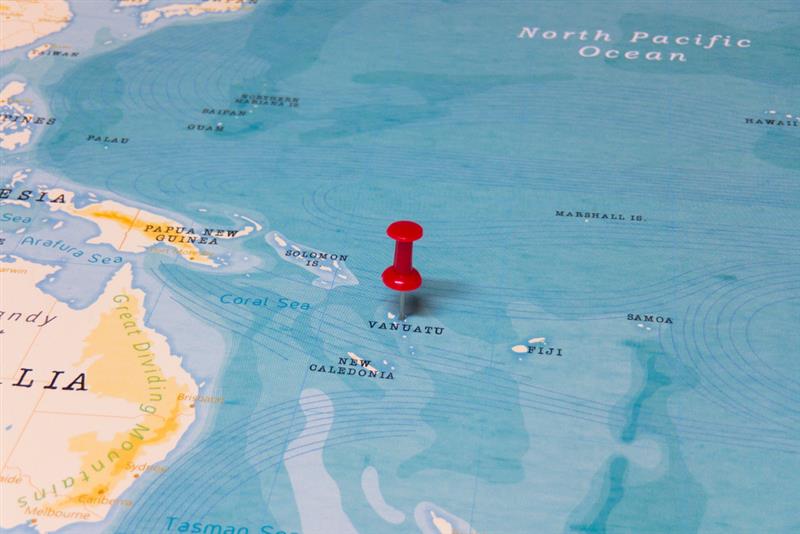
The strongest visa-free access for Nauru citizens exists within their home region. Pacific island nations maintain close ties and reciprocal arrangements that facilitate easy travel throughout Oceania:
- Micronesia (Federated States of) — visa-free access for up to 30 days
- Fiji — visa-free entry permitted for stays up to 4 months
- Kiribati — visa-free access for up to 30 days
- Samoa — entry permitted for 60 days without visa
- Vanuatu — visa-free access for up to 30 days
- Cook Islands — visa-free entry for 31 days
- Niue — visa-free access for up to 30 days
Asian Destinations
Several Asian countries and territories extend visa-free or visa-on-arrival privileges to Nauruan passport holders, though the duration and conditions vary significantly:
- Singapore — visa-free access for up to 30 days
- Philippines — visa-free entry for 30 days
- Malaysia — visa-free access for up to 30 days
- Bangladesh — visa-on-arrival available
- Cambodia — visa-on-arrival for up to 30 days
- Maldives — visa-on-arrival for 30 days
- Timor-Leste — visa-on-arrival for 30 days
Other Regions
Beyond the Pacific and Asia, Nauru passport holders have limited but notable access to destinations in Africa, the Caribbean, and other regions. These include territories such as Dominica, Haiti, Cape Verde (visa-on-arrival), Comoros (visa-on-arrival), and several British Overseas Territories with specific conditions.
Visa-On-Arrival Versus Visa-Free Entry
It's important to distinguish between truly visa-free entry and visa-on-arrival arrangements, as they involve different procedures and sometimes different costs. Visa-free entry means Nauruan citizens can simply present their passport at the border and receive an entry stamp without any additional documentation or fees. This represents the most convenient form of access and is typically available for shorter stays in countries with strong diplomatic relations.
Visa-on-arrival arrangements require travelers to complete an application and often pay a fee upon arrival at the destination airport or border crossing. While this is more convenient than applying for a visa in advance through an embassy, it still involves additional time, paperwork, and expense. Countries offering visa-on-arrival to Nauru passport holders include Bangladesh, Cambodia, and several African nations. The fees for these visas can range from $30 to $100 or more, depending on the destination and length of stay.
Understanding the distinction between visa-free and visa-on-arrival access helps travelers budget appropriately and plan their journeys with realistic expectations about border crossing procedures and potential delays.
Limitations and Restrictions to Consider
While the visa-free list provides valuable access, Nauruan passport holders face significant restrictions when traveling to major destinations. Notably absent from the visa-free list are the United States, Canada, the United Kingdom, and the Schengen Area countries of Europe. Travel to these destinations requires advance visa applications, which can be time-consuming, expensive, and subject to rejection.
The application process for visas to restricted countries often requires extensive documentation, including proof of financial means, return tickets, accommodation bookings, and sometimes letters of invitation. Processing times can extend from several weeks to several months, and application fees are non-refundable even if the visa is denied. For business travelers or those with family in these regions, these restrictions represent a significant limitation of the Nauru passport's utility.
Maximum Stay Durations
Even in countries offering visa-free access, Nauru passport holders must respect maximum stay durations, which typically range from 14 to 90 days. Overstaying these limits can result in fines, deportation, and future travel bans. Common maximum stays include:
- 30 days — the most common duration for visa-free access in Asian and Pacific destinations
- 60 days — offered by select Pacific island nations with closer ties to Nauru
- 90 days — rare for Nauru passport holders but available in a handful of destinations
- 14-21 days — shorter durations sometimes imposed for visa-on-arrival arrangements
Weighing Travel Benefits Against Passport Costs
When considering the acquisition of a Nauru passport, the visa-free travel benefits must be weighed against the associated costs and your specific travel needs. For individuals whose primary travel destinations fall within the accessible regions — particularly the Pacific islands and Southeast Asia — the Nauru passport provides adequate mobility. However, for those requiring frequent travel to Europe, North America, or other restricted regions, the limitations may outweigh the benefits.
The practical value of visa-free access also depends on the purpose of travel. Business travelers may find the restrictions particularly limiting if their work requires access to major financial centers and developed economies. Conversely, individuals focused on tourism, regional business within accessible areas, or maintaining connections within the Pacific community may find the access sufficient for their needs.
Before making any decisions about obtaining a Nauru passport, it's advisable to carefully review the current visa-free list, consider your typical travel patterns, and evaluate whether the access provided aligns with your personal or professional requirements. The visa-free countries list is subject to change based on diplomatic developments and shifting immigration policies, so staying informed about current access is essential. For personalized guidance on whether a Nauru passport suits your international mobility needs and to learn more about the application process and associated costs, please contact our advisory team for a confidential consultation.